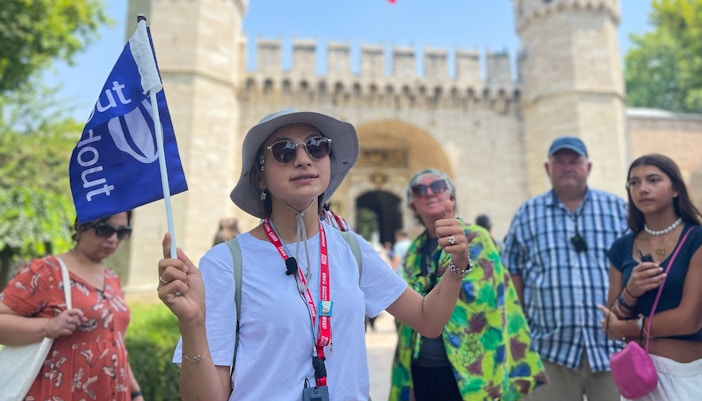
Topkapi Palace

Topkapi Palace Harem: Sultan's Quarters Tours

Included with Topkapi Palace tickets

Timings

RECOMMENDED DURATION

3 hours
topkapi palace history

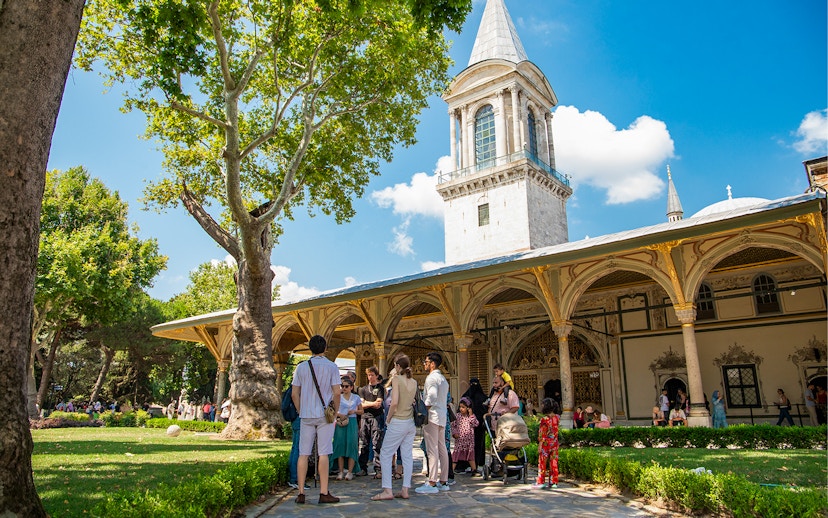
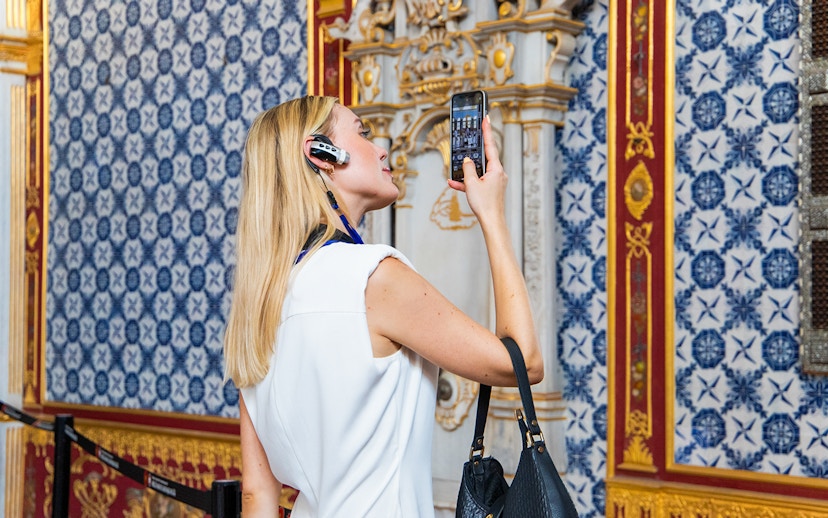
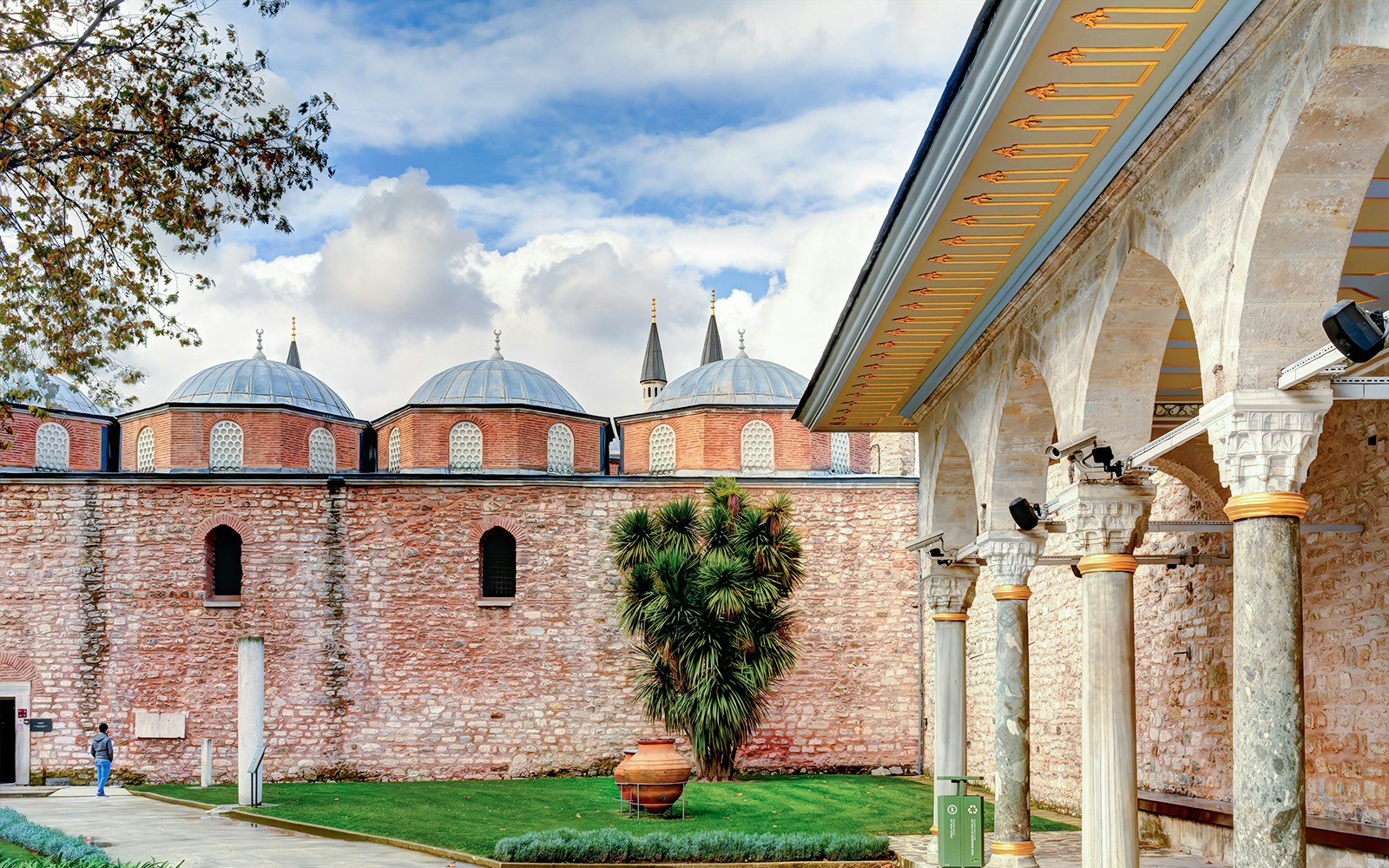
The Topkapi Palace harem, a secluded section of the iconic Topkapi Palace in Istanbul, served as the private quarters for Ottoman rulers and their families. Dating back to the 16th century, it housed the sultan's wives, concubines, and children. Characterized by its intricate architecture and beautifully tiled chambers, the harem provides insights into the private lives of the Ottoman rulers.

Quick facts about Topkapi Palace Harem

Topkapi Palace Harem

Official name: Topkapi Palace Harem

Address: Topkapi Palace Museum, Cankurtaran, 34122 Fatih/İstanbul, Turkey

Date of construction: 16th Century

Timings: 9 AM to 6 PM

About Topkapi Palace

Why visit the Topkapi Palace Harem

Topkapi Palace Harem

Historical Significance: Home to the Sultan's mother, wife, and other prominent women, the harem played a significant role as a center of Ottoman power and family life.

Cultural Insight: The harem provides a unique perspective into the lifestyle of sultans, concubines, their families as well as Ottoman customs and traditions.

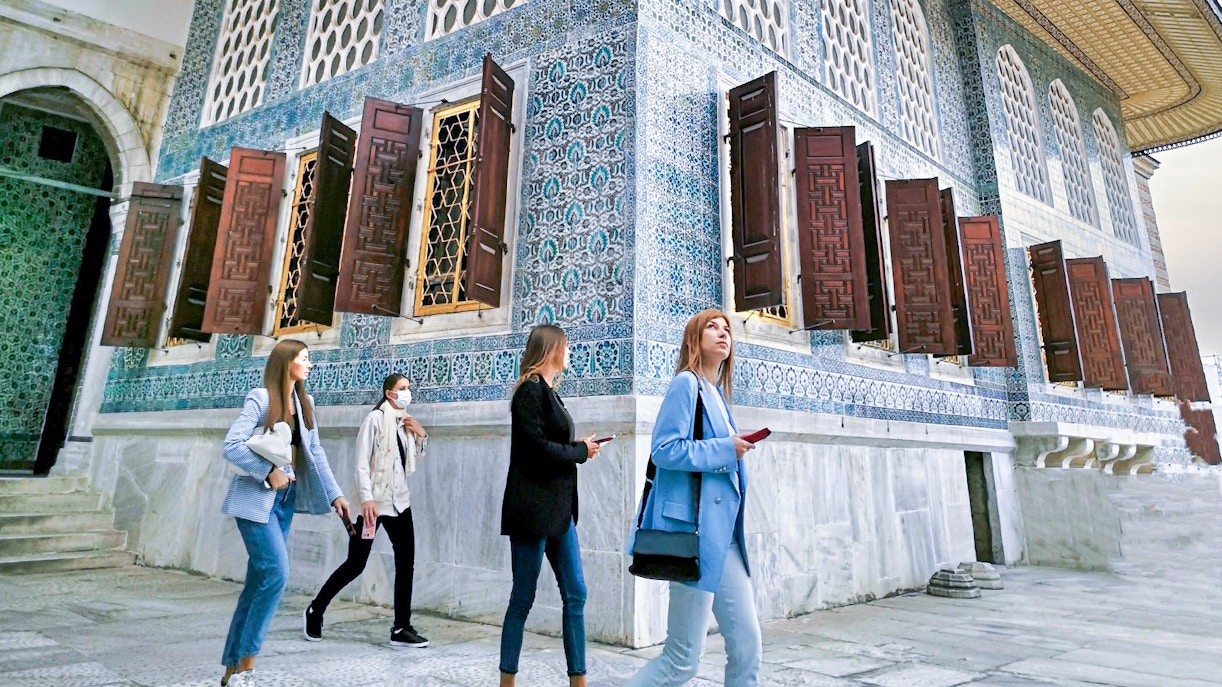
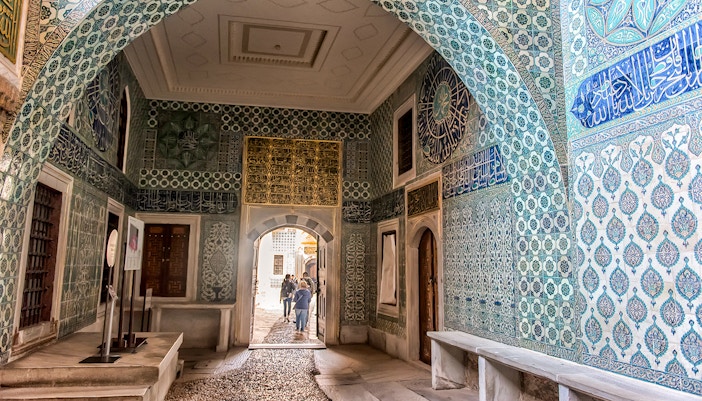
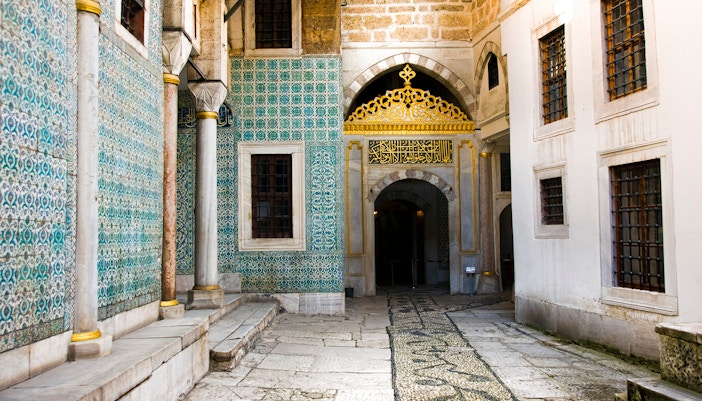
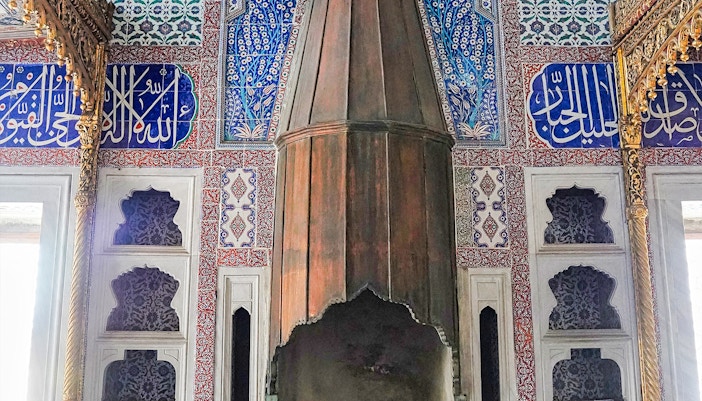
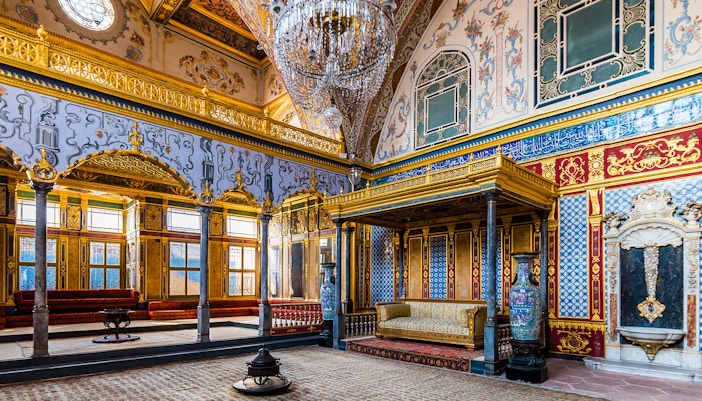
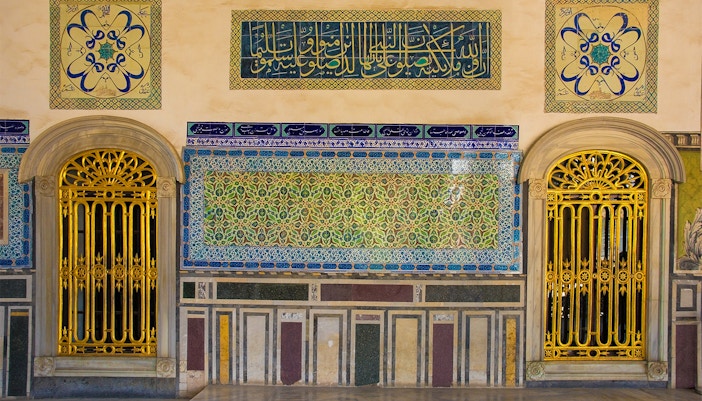
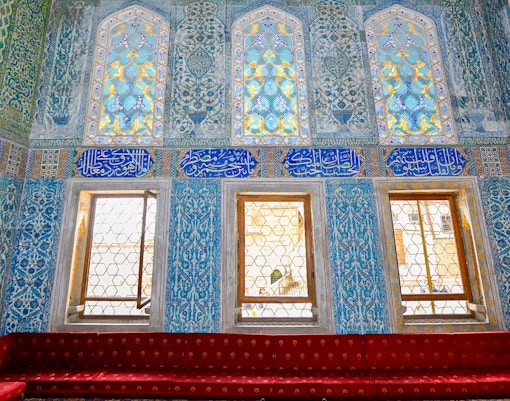
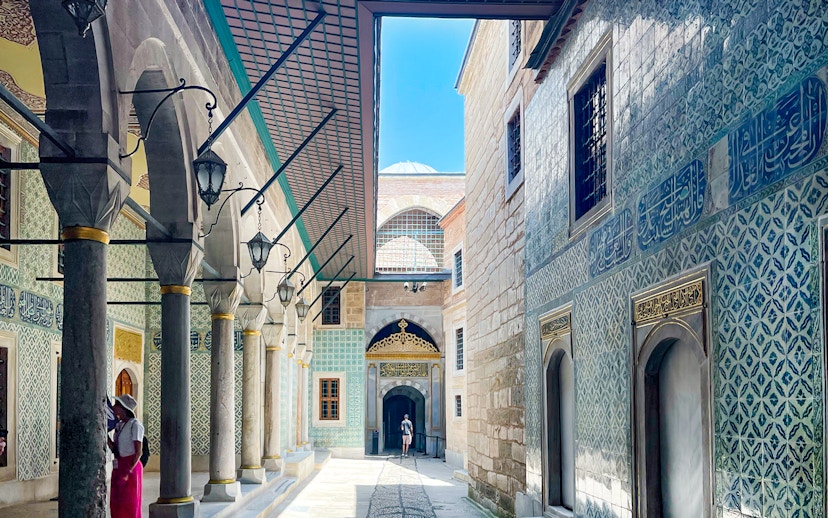
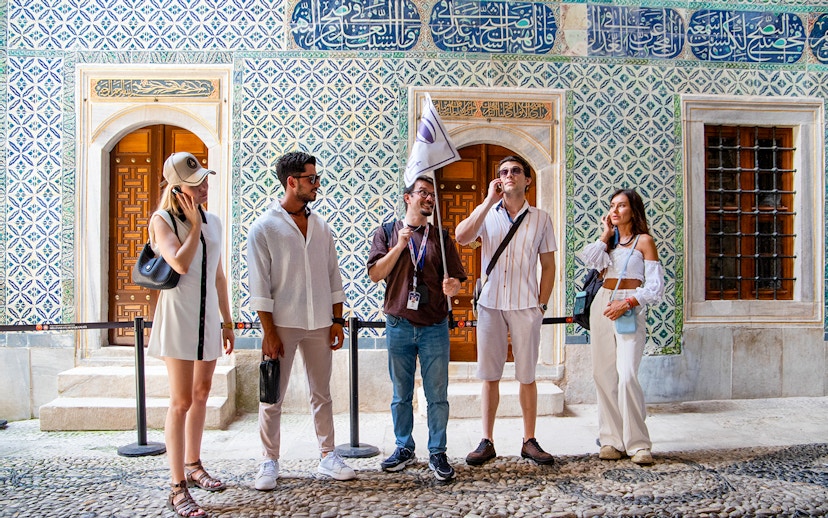
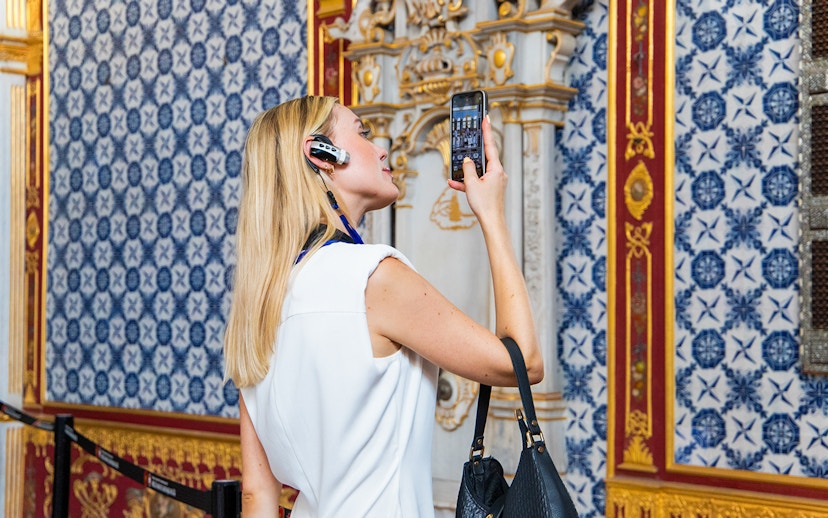
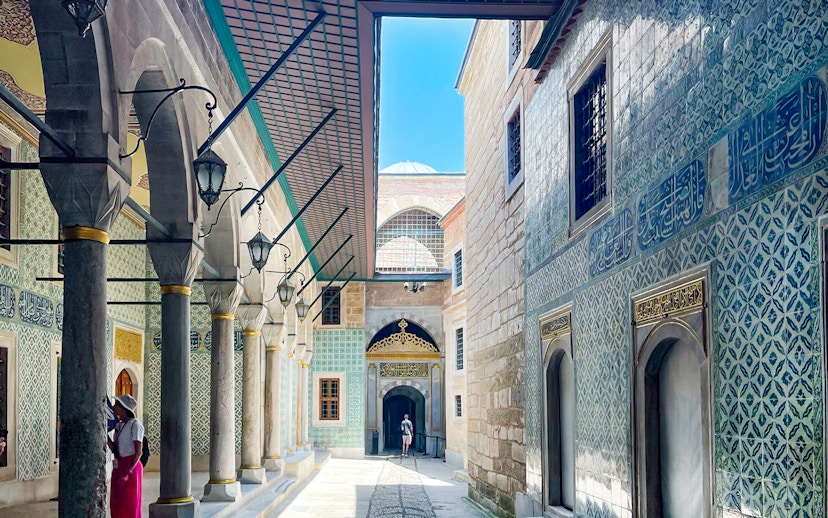
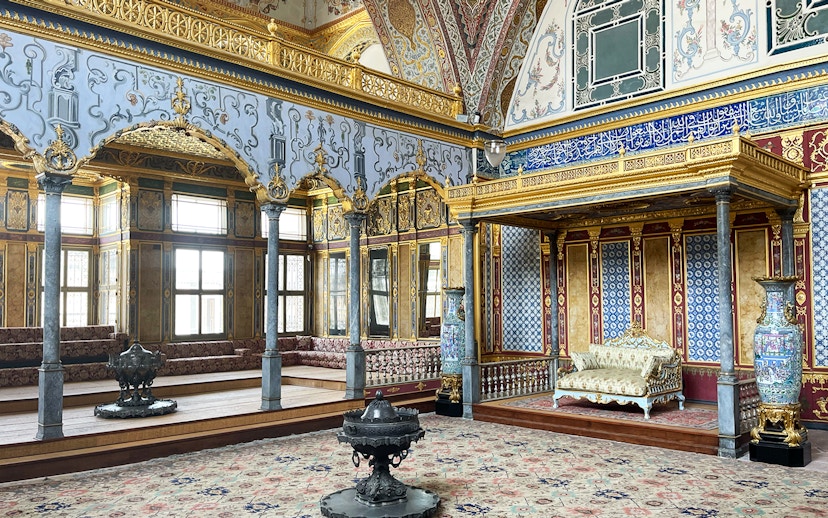
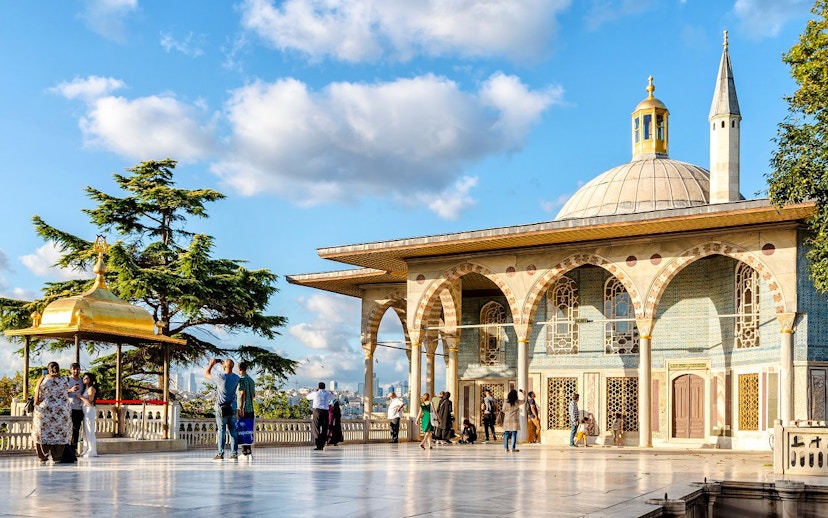
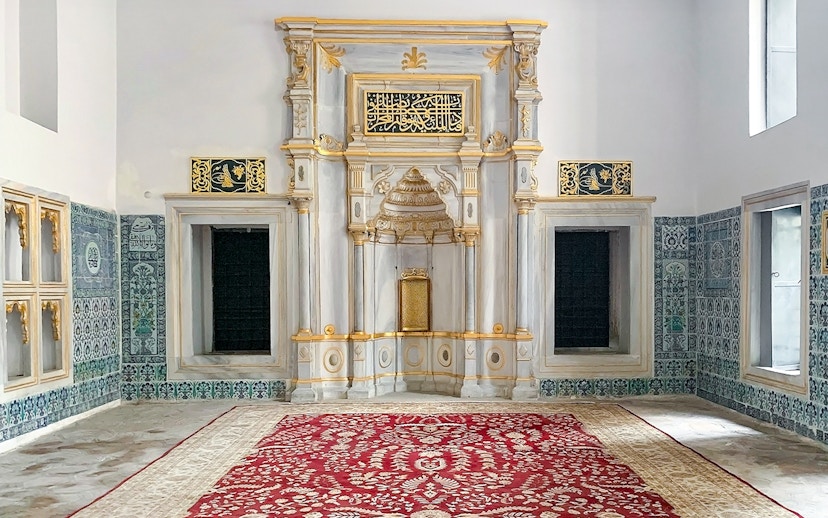
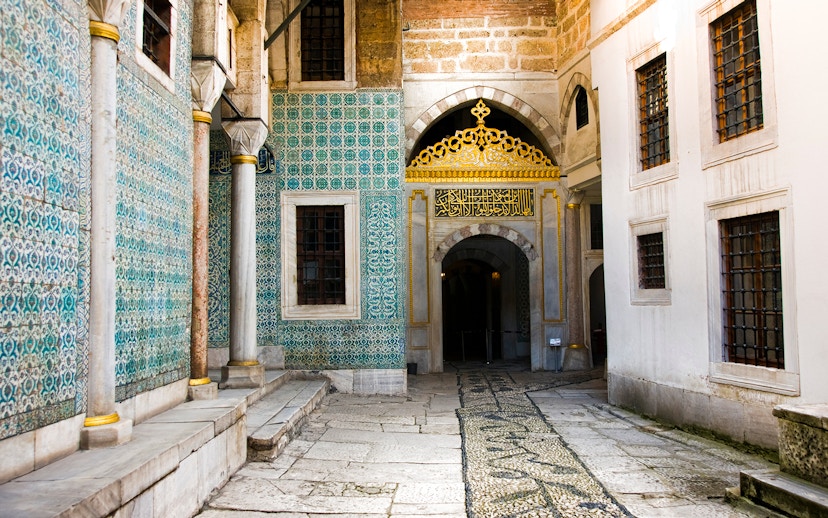
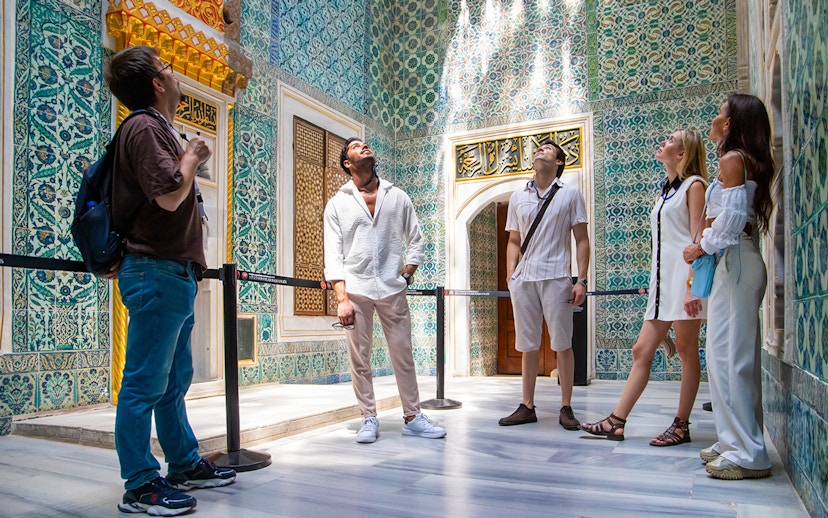
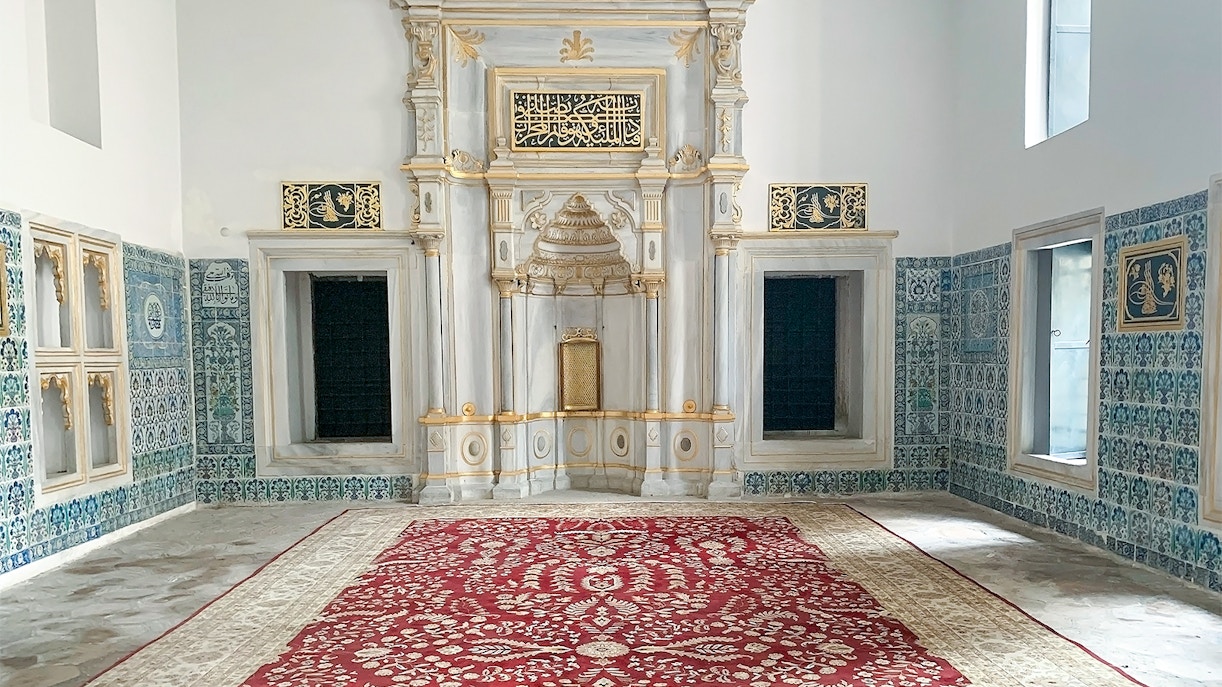
Architectural Elegance: The ornate chambers, adorned with lavish decor and exquisite tiles, showcase the opulent design that characterized the private quarters.

Opulent Chambers: The lavish living spaces tell a story of luxury and status within the intricately designed harem complex.

Construction of the Topkapi Palace Harem

Topkapi Palace Harem

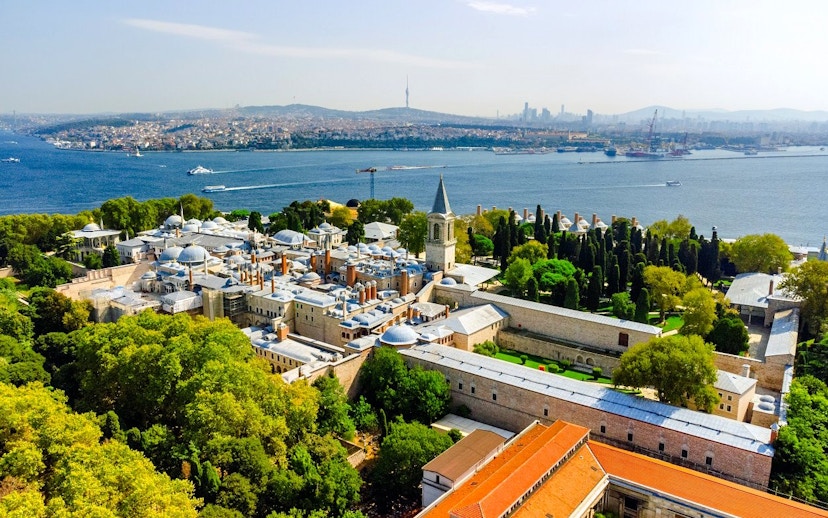
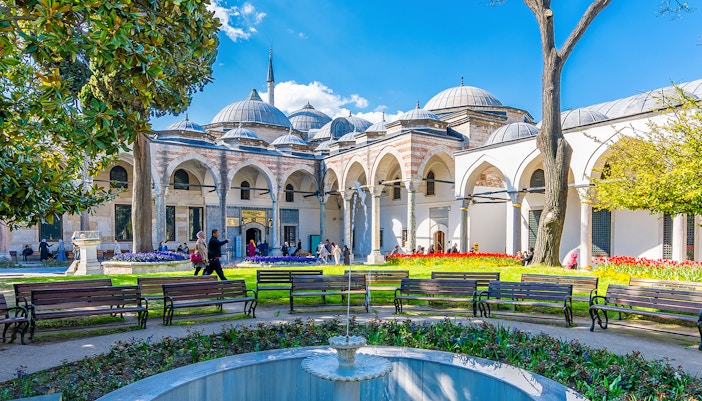
The Topkapi Palace Harem was built towards the end of the 16th century. It consisted of around 400 magnificently tiled rooms and chambers connected by courtyards and gardens with fountains. It was home to over 1,000 women, children, eunuchs, and their servants.

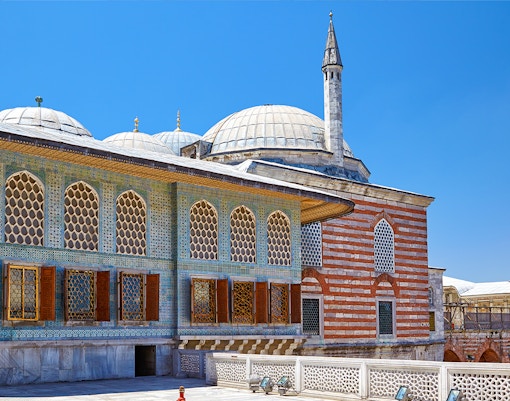
Like the other areas of Topkapi Palac, the harem too underwent renovations and additions under the reigns of the different Ottoman Sultans. Successive rulers made changes and expanded the palace and harem, which resulted in its medley of Ottoman, European, and Islamic architecture and décor.

Topkapi Palace History

Highlights of Topkapi Palace Harem

With more than 400 rooms, the harem had many sections dedicated to specific people or purposes.

Gate of Carts or Domed Cupboard Chamber

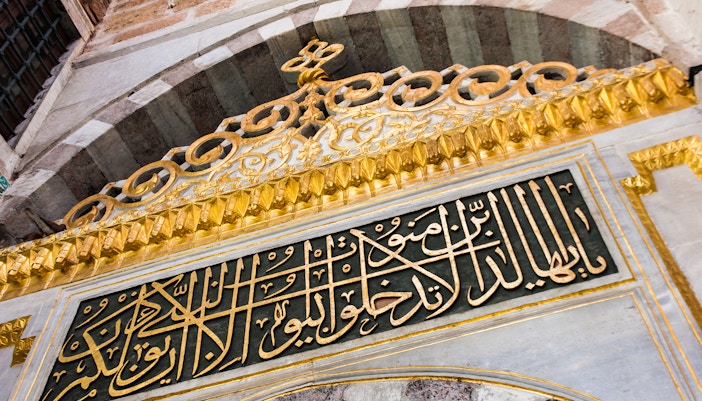
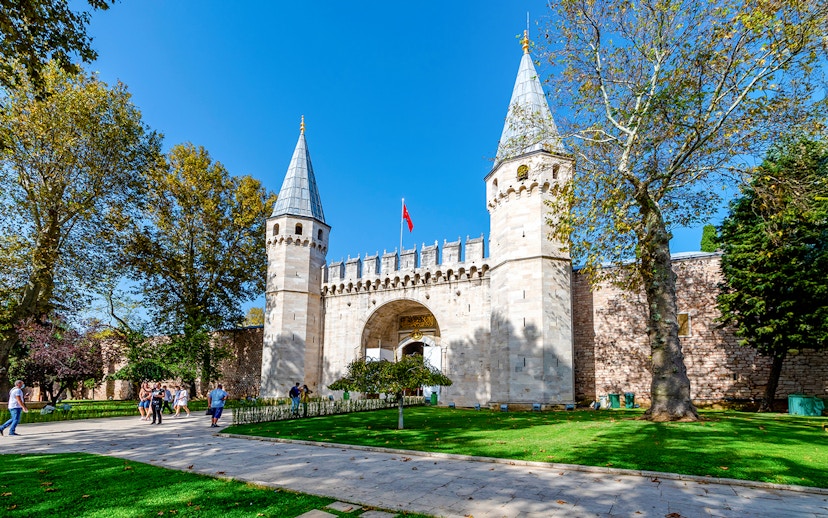
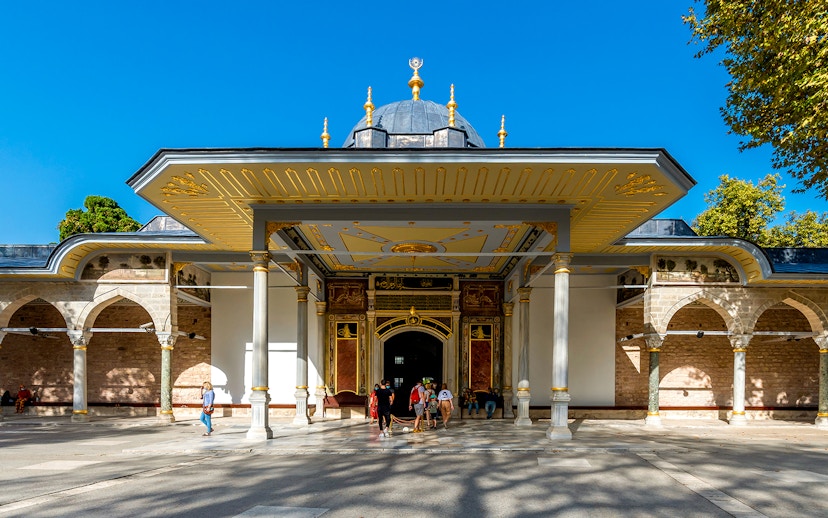
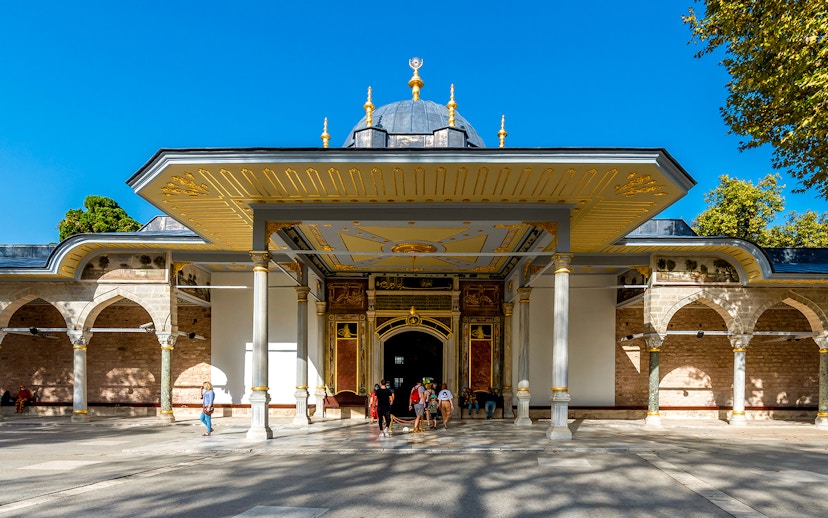
The entrance to the harem from the Second Courtyard is called the Gate of Carts. The path then leads to the Domed Cupboard Room. Built by Murad III, it was created as a vestibule for the harem. Records of deeds of trust from pious foundations of the harem were preserved in the cupboards and were administered by the Chief Harem Eunuch.

Hall of the Ablution Fountain

The Hall of the Ablution Fountain, also known as ‘Sofa with Fountain’, was an entrance hall into the harem and was guarded by the Harem Eunuchs. The Privy Garden, the Harem, the Tower of Justice and the Mosque of the Eunuchs are all connected by the Büyük Biniş (The Big Mount) and the Şal Kapısı (Shawl Gate), which further led to the Hall of Ablution Fountain.

Courtyard of the Eunuchs

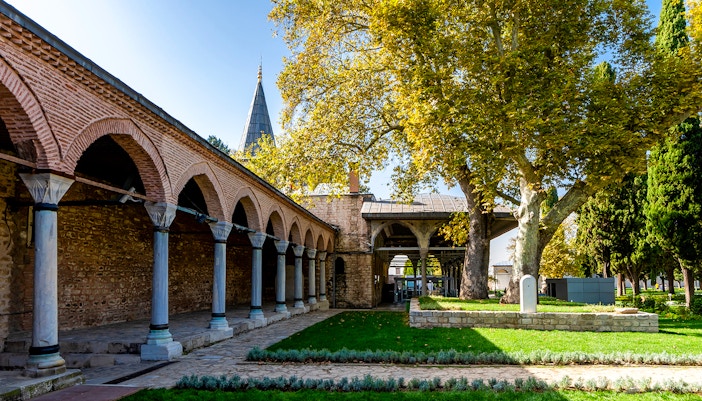
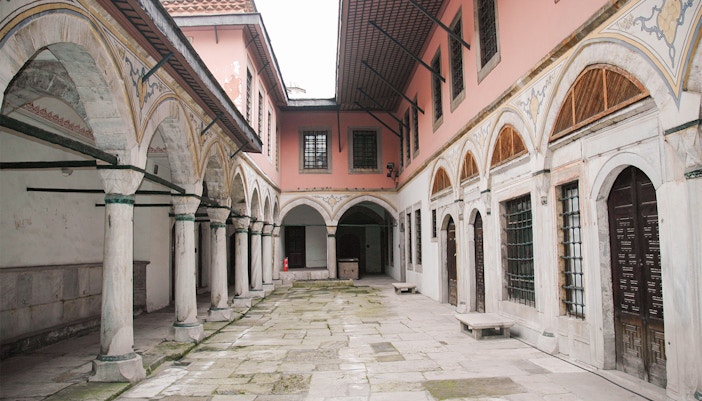
The Courtyard of Eunuchs is the very first courtyard in the Harem and at the end of the court is the apartment of the black chief eunuch. The eunuchs here worked as guards and were commanded by the Chief Harem Eunuch. The place includes the dormitory of the Harem Eunuchs, the quarters of the Chief Harem Eunuch, and the School of the Princes.

Harem main entrance

The Harem’s main entrance separated the Harem from the Courtyard of the Eunuchs. This door leads to a sentry post to which three main sections of the Harem are connected. The door on the left leads to the Court of the Concubines, the door on the right heads to the Sultan’s quarters, and the middle door leads to the Court of the Valide Sultan.

Courtyard of the Sultan's Consorts and the Concubines

The Courtyard of the Sultan’s Consorts and the Concubines came into being in the middle of the 16th century and is the smallest courtyard of the Harem after its restoration after the 1665 fire. It is surrounded by baths, dormitories, apartments of the Sultan’s chief consort, and the residence of the stewardesses.

Apartments of the Queen Mother

The Apartments of the Queen Mother and the Sultan form the largest and the most important section of the entire Harem. Also constructed in the late 16th century, the lower story was occupied by the concubines and the upper story was occupied by the Queen Mother along with her ladies-in-waiting. After the 1665 fire, the apartments had to be rebuilt, and new rooms like the small music room were added later in the 18th century.

Baths of the Sultan and the Queen Mother

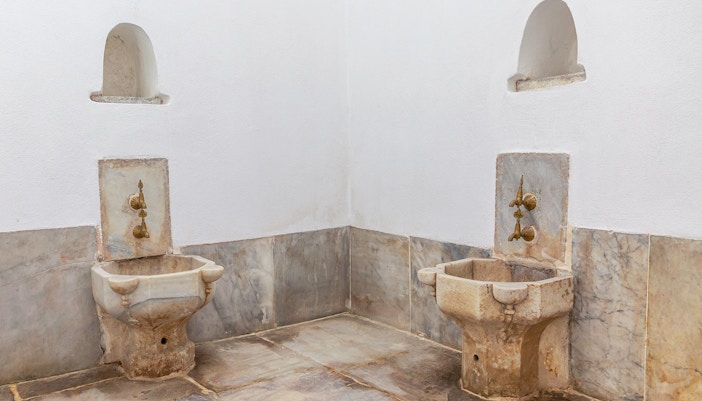
The Baths of the Sultan and the Queen Mother is a double bath facility that dates from the late 16th century, consisting of numerous rooms within. The baths were redecorated in the mid-18th century in rococo style. Made of multiple rooms, each room has a dome or a honeycomb glass ceiling to let natural light in.

Imperial Hall

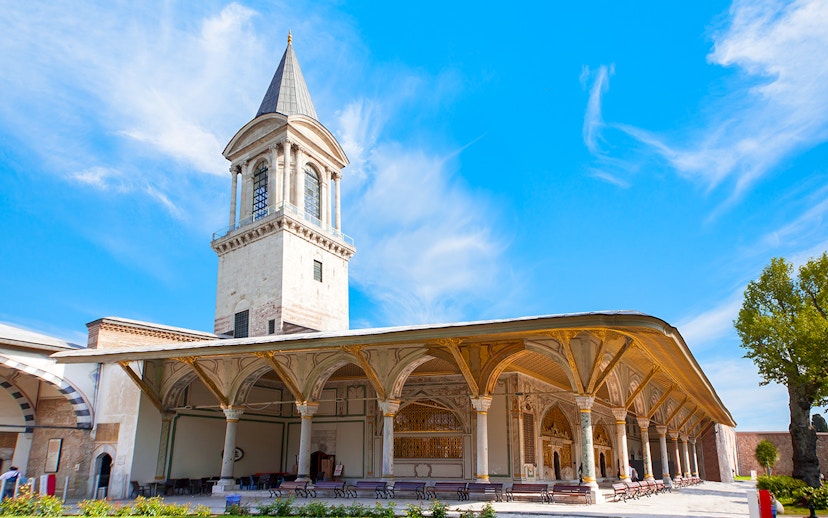
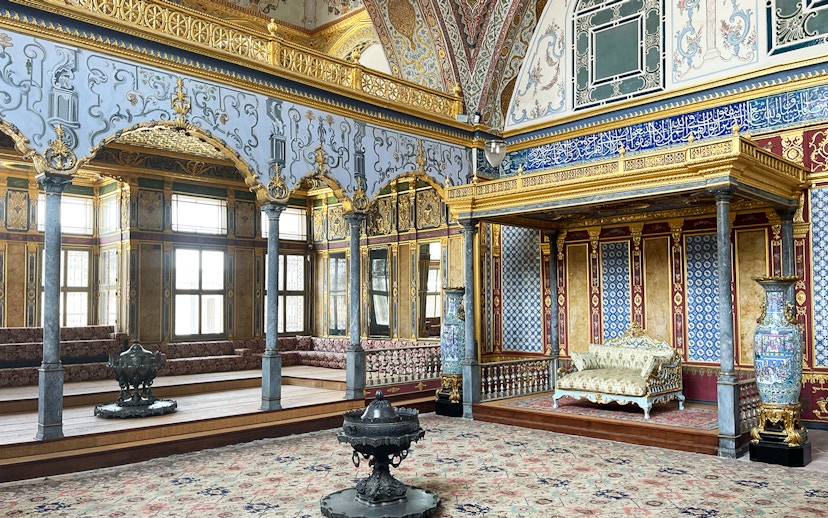
With the largest dome in the palace, the Imperial Hall functioned as the Sultan’s official reception hall and also entertainment for the Harem. The Sultan’s throne sits in this room. The galleries would be occupied by Sultan’s consorts, who were headed by the Queen Mother. There is also a secret door behind a mirror that allowed the Sultan safe passage.

Emperors’ Privy Chambers

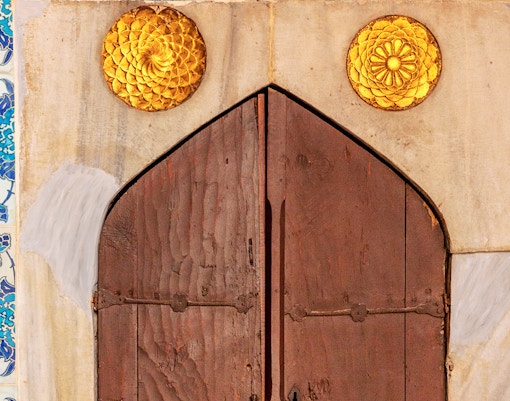
The harem houses the privy chambers of the Ottoman Sultans, including Murat III, Ahmed I, and Ahmed III. Murat III’s chamber is the oldest and the most intact room from the 16th century. Constructed by master architect Sinan, it has one of the finest doors of the palace and has retained its original interiors. The walls of Ahmed I’s chamber are beautifully decked with İznik glazed tiles.

Twin Kiosk/Apartments of the Crown Prince

The Twin Kiosk/Apartments of the Crown Prince is a building consisting of two privy chambers and is connected to the palace. It consists of one story that is constructed over an elevated platform and offers a great view from the inside while also shielding views from the outside.

Courtyard of the Favorites

Overlooking a massive pool alongside the Boxwood Garden lies the Courtyard of the Favorites, which is also the last section of the Harem. It was eventually expanded with the addition of the Interval and Favorites apartments in the 18th century. When one of the Favorites became pregnant, she would assume the title of the official consort of the Sultan.

Golden Road

Dating back to the 15th century, the Golden Road is a passage that forms the axis of the Harem and extends between the Privy Chamber and the Courtyard of the Harem Eunuch. The Sultan would use this passage to reach the Harem, the Hall of the Ablution Fountain, the Imperial terrace, and the Privy Chamber.

Aviary and Harem Gate

At this corner of the courtyard was a small inner court that existed till the late 19th century. This court led towards the Kushane Gate, which further led towards the Harem. Today, this is where the visitors to the Harem exit from. Birds for the Sultan’s table were raised around this gate.

Life in the Topkapi Palace Harem

Built at the end of the 16th century, the Harem was home to over 1000 harem women, children, and eunuchs, headed by the Queen Mother. Since Islam forbade the enslavement of Muslim women, most of the concubines were Jews or Christians, given to the Sultans as gifts. Once they entered the harem, they were given proper palace training.

The ultimate goal of every woman in the harem was to be the future Queen Mother. So, the competition was intense. Giving birth to the Sultan's child would mean higher status, especially if the child was the heir to the throne.

Apart from bitter rivalry amongst each other, the concubines also needed to be careful of the Chief Black Eunuch. He was second only to the Grand Vizier and aware of all the palace secrets. Many times, the eunuchs of the Harem could be corrupt and vindictive.

In such an atmosphere, life in the harem was characterized by secrets and intrigue.

Topkapi Palace History

Frequently asked questions about the Topkapi palace Harem

The Topkapi Palace Harem is the private quarters of the Ottoman Sultan, where he resided along with his extended family – the Queen Mother and his concubines.

More Reads

About Topkapi Palace

Plan Your Visit to Topkapi Palace

Topkapi Palace Guided Tours